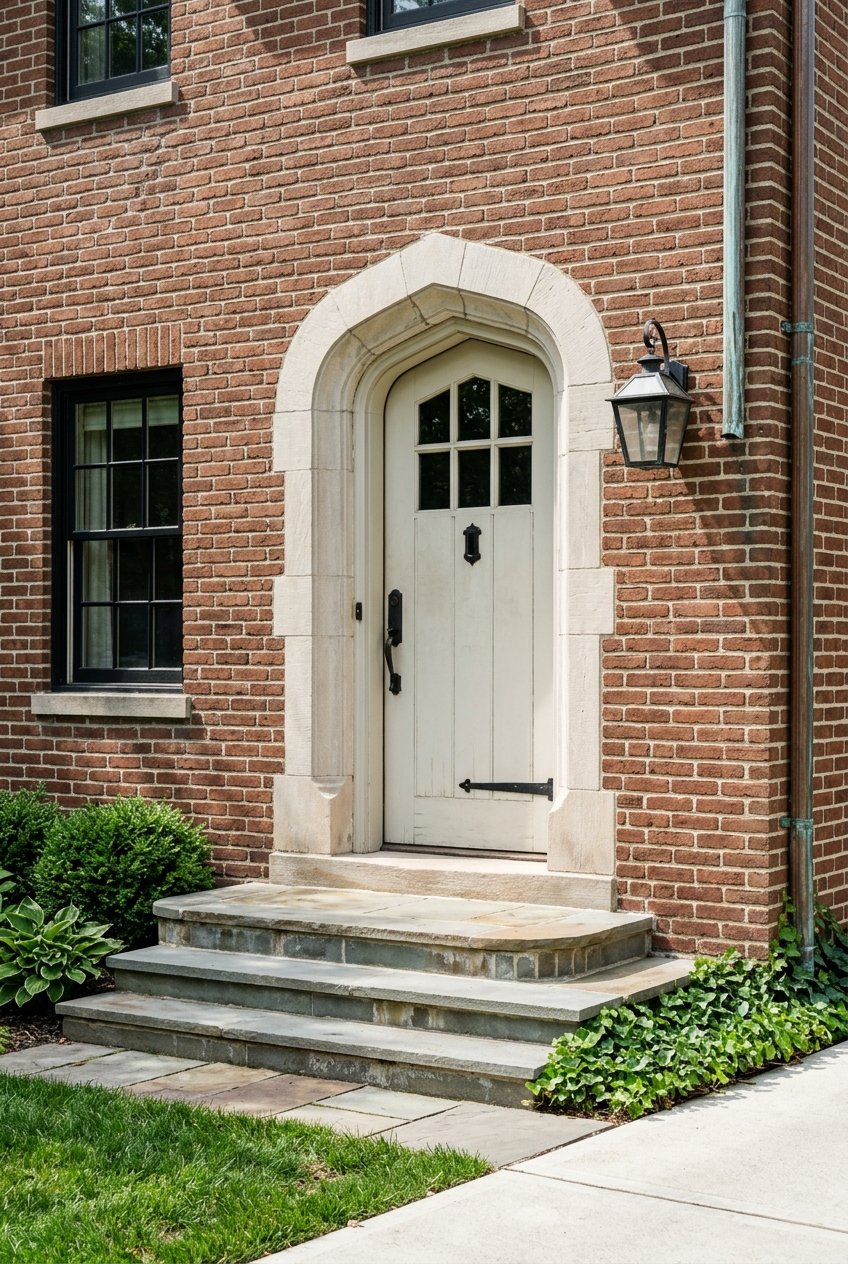
If you are thinking about buying a historic home in Ridgewood, you are probably drawn to something newer homes cannot easily replicate: character that feels layered, personal, and rooted in place. At the same time, charm often comes with extra questions about condition, approvals, and renovation planning. This guide will help you understand what makes Ridgewood’s older homes so appealing, what to verify before you buy, and how to plan with more confidence. Let’s dive in.
Why Ridgewood Historic Homes Stand Out
Ridgewood’s housing story is closely tied to its growth as a commuter community in the early 1900s. After the village was incorporated in 1894 and rail access improved connections to New York City, homebuilding accelerated quickly.
Village history materials note that about 100 homes per year were built between 1907 and 1911, mostly detached single-family houses. Many of those homes reflected architectural styles that still shape Ridgewood’s look today, including Queen Anne, Second Empire, Gothic Revival, Italianate, American Foursquare, Colonial Revival, Tudor Revival, Arts and Crafts, and Vernacular styles.
That older housing stock is still a major part of the market. Ridgewood’s 2025 Fourth Round Housing Element reports that 37.3% of housing units were built in 1939 or earlier, with another 12.7% built in 1940 to 1949 and 21.9% built in 1950 to 1959.
Key Historic Areas in Ridgewood
Prospect Street-Woodside Area
This historic district includes more than 100 contributing properties across 10 streets. Most are detached single-family homes built between 1880 and 1930.
The architectural mix is broad, which is part of the appeal. You may see Swiss Chalet, Second Empire, Queen Anne, Colonial Revival, Dutch Colonial, Arts and Crafts, Shingle, Vernacular, and Mediterranean Revival influences in the same area.
Heights Area
The Heights district includes more than 220 contributing properties on over 20 streets. These homes were mostly built between 1890 and 1930 and are primarily detached single-family residences.
Tudor Revival is especially prominent here. Many homes feature porches, gables, slate roofs, half-timbering, and a mix of exterior materials that give the neighborhood a distinct visual rhythm.
Village Center Context
Ridgewood’s Village Center Historic District offers a different type of historic setting. It includes 125 properties dating largely from 1890 to 1950 and is known for attached or semi-attached Main Street buildings, along with civic and railroad-related structures.
While most homebuyers focus on residential properties, this district matters because it reflects how deeply preservation is woven into the village’s identity. The district guidelines also note an older landmark, the Archibald-Vroom House, built around 1789.
What Buyers Often Love Most
Historic appeal in Ridgewood is about more than age. Many of the village’s district descriptions emphasize that these homes often blend several styles, which helps create the rich, layered look buyers respond to.
Features that often stand out include:
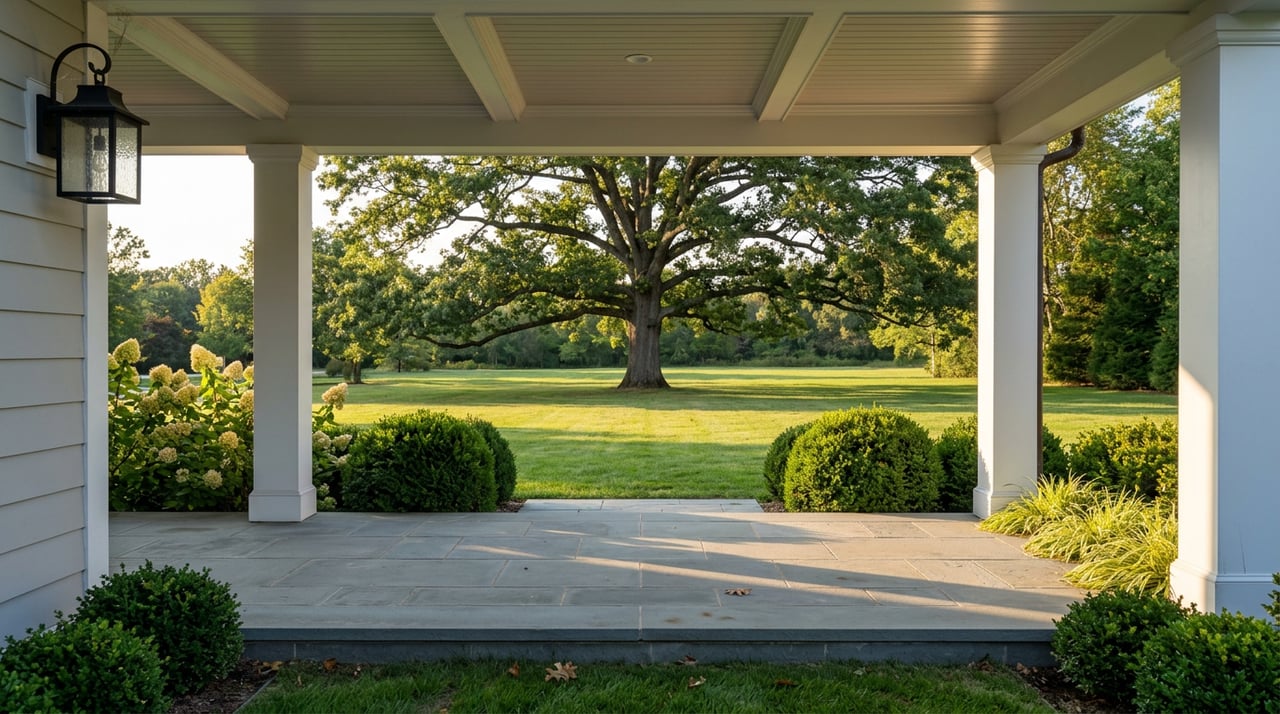
- Front or wrap-around porches
- Multi-gabled roofs
- Asymmetrical facades
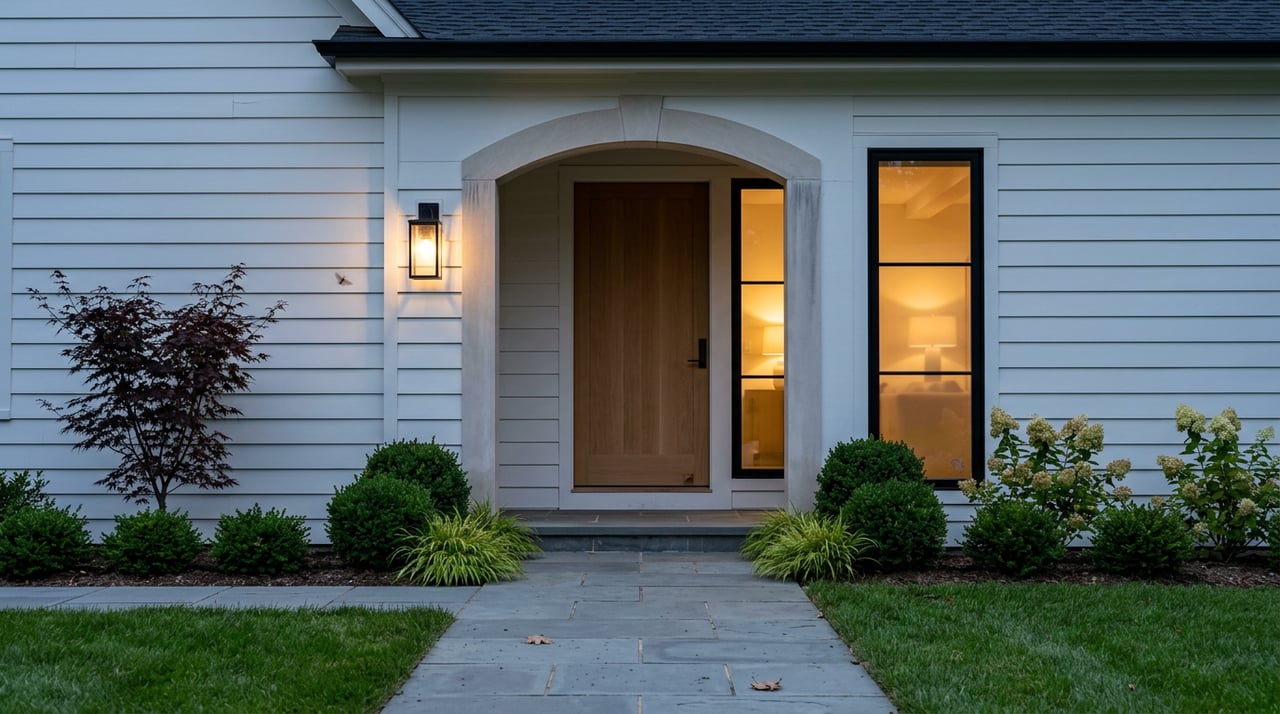
- Stone-framed entrances
- Casement windows
- Decorative half-timbering
- Exterior mixes of stucco, brick, stone, clapboard, and shingles
That variety can make one property feel very different from the next, even on the same block. If you appreciate architecture and craftsmanship, Ridgewood offers a housing stock that feels distinctive rather than interchangeable.
Start With Inspection, Then Go Deeper
A standard home inspection is important, but it is only the starting point with an older home. In New Jersey, a home inspection is defined as a visual, functional, non-invasive inspection of readily accessible components such as structural elements, exterior features, roofing, plumbing, electrical, heating, cooling, interior areas, insulation, ventilation, fireplaces, and solid-fuel appliance components.
That is a strong baseline, but historic homes often call for more focused follow-up. If the inspection raises concerns, or if the home’s age suggests added risk, you may need specialty evaluations before you move forward.
Ask About Core Systems
Because so much of Ridgewood’s housing stock is older, you should look closely at prior renovations and visible updates to major systems. Ask what has been replaced, what remains original, and whether past work was permitted.
This can help you separate cosmetic updates from meaningful improvements. A beautiful kitchen matters, but so do the age and condition of the electrical, plumbing, roofing, and heating or cooling systems.
Consider Lead Paint Risks
If a home was built before 1978, lead-based paint is more likely to be present. Renovation work that disturbs painted surfaces can create hazardous lead dust.
EPA guidance says paid renovation, repair, and painting work in pre-1978 homes that disturbs painted surfaces must be done by certified firms using lead-safe practices. If you are planning updates after closing, this is an important budgeting and planning factor.
Don’t Assume You Can Spot Asbestos
Asbestos is another issue buyers should treat carefully in older homes. EPA guidance notes that asbestos usually cannot be identified by sight alone.
If suspect materials are damaged, or if a renovation would disturb them, testing should be handled by a trained and accredited professional. This is especially relevant if you hope to update finishes soon after purchase.
Wood-Destroying Insect Reports May Matter
A wood-destroying insect report can also become part of your due diligence. New Jersey housing finance guidance says certification may be required when possible infestation or damage is noted.
If an appraisal or general inspection points to this kind of concern, it is wise to address it early. That helps you understand both repair scope and any financing implications.
Check Historic Designation Before You Buy
One of the most important steps is confirming whether a property is in a local historic district or is considered a historic site. Ridgewood has a significant preservation framework, with 11 locally designated historic districts identified in the village’s master plan.
A home may be historically significant because of its location within a district, even if it is not individually listed on a state or federal register. That distinction matters because local rules may still affect what you can change.
Understand the Ridgewood Approval Process
Historic rules in Ridgewood do not replace zoning rules. The village code says historic preservation regulations apply in addition to other zoning regulations.
For buyers, that means exterior improvements may involve more than one layer of review. If you are considering changes, it is smart to understand the process before you commit.
When a Historic Preservation Permit Is Required
Ridgewood’s permit application materials state that an Historic Preservation Permit is required before work can begin for demolition, relocation, or exterior appearance changes within a historic district or on a historic site. The village also states that a building permit is required before construction of any kind anywhere in Ridgewood.
For Village Center properties, exterior work that requires a building permit, sign permit, sidewalk café permit, fence permit, demolition permit, or other permit or license first goes to the Historic Preservation Commission. That can affect both timing and project scope.
Plan Around Review Timing
The Historic Preservation Commission meets on the second Thursday of each month. Ridgewood’s review requirements say applications must be returned by the Wednesday before the meeting.
In practical terms, that means renovation timelines should include extra lead time. If your plans depend on quick post-closing work, this scheduling detail is worth noting upfront.
Zoning and Preservation Can Overlap
In some situations, preservation review and zoning relief intersect. Planning Board minutes note that the Historic Preservation Commission reviews residential applications when variance relief is sought for a historic site or a property in a historic district.
That does not mean every project becomes complex, but it does mean your plans may need a more careful roadmap. If you are buying with renovation in mind, clarity early in the process can save time later.
Renovation Planning Takes More Intention
In Ridgewood’s preservation framework, repair is often favored over replacement, especially in the Village Center Historic District guidelines. New work is generally expected to remain compatible with the surrounding historic character.
For you as a buyer, that often translates into more thoughtful planning and potentially higher pre-construction costs. Design work, custom materials, and permit coordination can all become bigger parts of the budget than they would with a newer home.
That does not make a historic home a poor choice. It simply means the best experience usually comes when you buy with both appreciation and realism.
A Smart Buying Checklist
If you are considering a historic home in Ridgewood, keep this short checklist in mind:
- Confirm whether the property is in a local historic district or on a historic site
- Review what permits may be needed for your planned exterior changes
- Get a standard home inspection and follow up on age-related concerns
- Ask about updates to roofing, plumbing, electrical, heating, and cooling systems
- Verify whether prior work was permitted
- Discuss lead-safe renovation practices for pre-1978 homes
- Evaluate whether asbestos testing is appropriate before major renovations
- Address any signs of wood-destroying insect damage early
- Build extra time into your post-closing renovation schedule
- Budget for repair, preservation, and design compatibility, not just cosmetic upgrades
Historic Charm and Practical Planning
Buying a historic home in Ridgewood can be deeply rewarding if you value architectural detail, established streetscapes, and homes with a true sense of individuality. The key is balancing that emotional pull with careful due diligence and realistic planning.
When you verify designation status, inspect thoroughly, and understand how local review may affect future work, you put yourself in a much stronger position to buy well. If you want experienced guidance on Ridgewood homes and the nuances that come with them, connect with Michael Todaro.
FAQs
What makes a historic home in Ridgewood different from an older home elsewhere?
- Ridgewood has a large share of older housing, multiple locally designated historic districts, and a village-level preservation framework that can affect exterior changes and renovation planning.
What should you inspect first when buying a historic home in Ridgewood?
- Start with a standard New Jersey home inspection, then ask deeper questions about core systems, prior renovations, permits, and any signs that lead paint, asbestos, or wood-destroying insect issues may need follow-up.
Do Ridgewood historic homes always need special approval for renovations?
- Not always for every type of work, but Ridgewood requires an Historic Preservation Permit before demolition, relocation, or exterior appearance changes within a historic district or on a historic site, and building permits are also required for construction.
Why does historic district status matter when buying a Ridgewood home?
- A property can be subject to local preservation rules because it sits within a historic district, even if it is not individually listed on a state or federal register.
How does buying a historic home in Ridgewood affect renovation timing?
- Timing can be longer because Historic Preservation Commission review may be required, and the commission meets on a monthly schedule with application deadlines before each meeting.
What architectural features are common in Ridgewood historic homes?
- Common features include porches, gables, slate roofs, half-timbering, asymmetrical facades, casement windows, stone-framed entrances, and mixed exterior materials such as stucco, brick, stone, clapboard, and shingles.