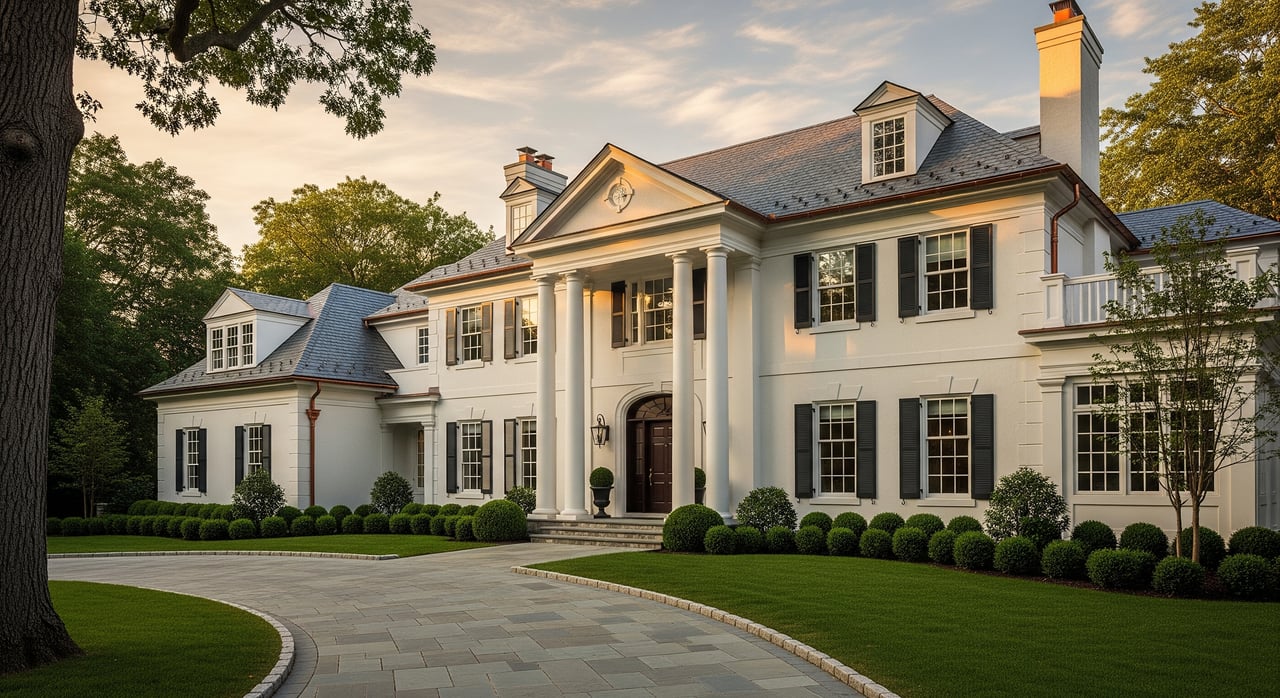
Thinking about listing your Upper Saddle River home and wondering if a pre-listing inspection is worth it? In 07458, many luxury properties include complex systems, custom features, and improvements that deserve a careful look before you go to market. Getting ahead of condition questions can reduce surprises, clarify value, and keep your sale on schedule. In this guide, you’ll learn what a pre-listing inspection is, how it works for high-end homes, the pros and cons, timing, costs, disclosures in New Jersey, and smart ways to use the results. Let’s dive in.
What a pre-listing inspection is
A pre-listing inspection is a full home inspection you order before you list. It mirrors a buyer-style inspection and documents the condition from roof to foundation. Most reports include photos and note items that need repair or further evaluation.
For Upper Saddle River homes, you can also add specialty inspections based on your property’s features. Examples include septic, pool, chimney, radon, termite, structural, HVAC, electrical, or plumbing specialists. The goal is simple: surface issues on your timeline so you can decide whether to repair, disclose, or price accordingly.
Why it matters in Upper Saddle River
High-value homes in Upper Saddle River often have multiple HVAC zones, whole-house generators, advanced automation, pools, terraces, and extensive hardscaping. Luxury buyers expect solid documentation and frequently bring their own specialty inspectors. If you prepare condition records in advance, you reduce the risk of last-minute renegotiations.
A thoughtful pre-listing inspection can also strengthen your pricing story. When deferred maintenance is limited and permitted upgrades are documented, you support your ask and help appraisers understand your home’s overall condition.
Key benefits for 07458 sellers
- Control and planning: You select the inspector and scope, then fix items on your schedule, get multiple bids, and pull permits as needed.
- Fewer surprises and faster closings: Addressing material defects before listing reduces repair requests that delay or derail contracts.
- Stronger pricing basis: A clean report and documented work can justify your asking price.
- Marketing tool: A professional inspection summary, paired with an upgrades and permits list, reassures affluent buyers.
- Limits buyer leverage: Buyers may still inspect, but clear documentation plus completed repairs often reduce demands for large credits.
- Targeted remediation: You can prioritize high-impact fixes rather than offer broad price cuts.
Real tradeoffs to weigh
- Upfront cost and time: You pay for inspections and any follow-up work before listing, and the process can take weeks.
- Discovery of problems: Findings may require costly repairs or influence your list price.
- Disclosure obligations: Reports document defects you now know about. You should consult your agent and a New Jersey attorney about what to disclose and how.
- Buyer perception: Sharing a raw report with many minor items can overwhelm buyers. A curated summary often works better.
- Buyers still inspect: A seller-ordered inspection does not replace a buyer’s contingency or specialist evaluations.
What inspections should cover
A general pre-listing inspection typically includes:
- Roof, attic, structure, and foundation
- Exterior elements: siding, windows, doors, decks, terraces, retaining walls
- Basements and crawlspaces: water intrusion, grading, drainage, sump pumps
- HVAC systems, including multiple zones and boilers or chillers
- Electrical: service size, panels, visible safety items
- Plumbing: visible piping, water heaters, fixtures, leaks
- Interiors: ceilings, walls, floors, fireplaces, chimneys
- Insulation and ventilation
- Safety items: GFCIs, smoke and carbon monoxide detectors, visible hazards
Specialty inspections for luxury homes
Depending on your property, consider:
- Structural engineer evaluation when additions, settlement, or cracks are present
- Drone or specialty roofer inspections for complex roofs
- Chimney and fireplace inspections, including flue and WDI checks
- Pool and spa inspections for mechanicals, coatings, decks, and safety features
- Septic inspection or sewer scope, depending on your utility setup
- Radon testing, which is inexpensive and can be done alongside the main inspection
- Termite and other wood-destroying insect inspections, often required by lenders
- Asbestos and lead paint assessments for pre-1978 homes
- HVAC and mechanical specialist evaluations for complex systems
- Electrical safety evaluations by a licensed electrician
- Landscape and retaining wall engineering for major hardscape projects
- Environmental checks for underground oil tanks, wetlands, flood, or drainage issues
- Home automation and security systems audit to document functionality and transferability
Timeline: from booking to listing
For most Upper Saddle River listings, book your inspection 2 to 6 weeks before you go live. That window lets you gather bids, complete work, and collect documentation. A simple plan looks like this:
- Interview and select inspectors with experience in luxury homes. Review qualifications and a sample report.
- Order the general inspection and immediate specialty tests that make sense for your home, such as radon or WDI.
- Review findings with your agent and attorney to decide what to repair, disclose, or leave as-is.
- Get contractor bids, pull permits if required, and complete prioritized work.
- Collect receipts, permits, warranties, and contractor contacts for buyers and the appraiser.
- Consider providing a concise summary of major repairs and documentation rather than the raw report, as advised by counsel.
New Jersey disclosures and legal notes
Federal law requires lead-based paint disclosure and a lead pamphlet for homes built before 1978. In New Jersey, sellers generally must not misrepresent the condition and are often required to disclose known material defects. Because rules and practices evolve, it is smart to consult your listing agent and a New Jersey real estate attorney for specific guidance.
Locally, check Upper Saddle River municipal offices and Bergen County records for permits, certificates of occupancy, and ordinances affecting pools, septic systems, or accessory structures. If you complete work after your inspection, document it with receipts and permits, and be prepared to explain what was repaired and by whom.
Cost expectations in Bergen County
Costs vary by home size, age, and complexity:
- General home inspection for large luxury homes often ranges from $800 to $2,000 or more.
- Specialty inspections typically range as follows: radon about $100 to $200; sewer scope about $200 to $500; WDI about $75 to $200; structural engineer $800 to $2,500 or more depending on scope; pool $200 to $500; HVAC specialist $150 to $400; electrical specialist $150 to $400.
Complex estates with multiple outbuildings and systems may involve several specialists and total several thousand dollars. Your agent can help you right-size the scope so you focus on the items that matter most to buyers and appraisers.
Choosing the right inspector
For Upper Saddle River’s high-end homes, look for:
- Professional certifications such as ASHI or InterNACHI
- Errors and omissions plus general liability insurance
- Direct experience with luxury or custom properties in Bergen County
- A clear, photo-rich sample report that is easy to read
- Advanced tools where appropriate, like infrared imaging or drones
- The ability to coordinate and recommend trusted specialists
How to use the report strategically
Repair before listing
Prioritize safety, major systems, and issues likely to affect habitability or financing. Examples include roof leaks, foundation movement, or failing HVAC. Pull permits when required, complete the work, then keep all documentation.
Price adjustment or credit
If you prefer not to do certain repairs, you can adjust the price or offer a credit at closing. This works best for cosmetic items or when you want to preserve cash and time before listing.
Sell as-is with documentation
Some sellers share the report or a summary to show transparency and attract straightforward buyers. Consult your attorney about how and when to distribute reports to manage expectations and liability.
Hybrid approach
Fix high-impact, high-liability items and disclose the rest. Pair your disclosure with a clear pricing or credit strategy. This balanced plan often delivers a cleaner negotiation while respecting your timeline and budget.
Appraisal and financing impact
Appraisers focus on comparable sales and overall condition. When you address deferred maintenance and present receipts, permits, and warranties, you help the appraiser support your value. Some loans require specific inspections, like WDI or septic certifications, so handling these early can prevent delays.
Quick prep checklist
- Decide on scope with your agent based on features and buyer expectations.
- Book general and key specialty inspections 2 to 6 weeks pre-listing.
- Prioritize repairs for safety, major systems, and lender-sensitive items.
- Complete work with permits, then organize receipts and warranties.
- Prepare a concise inspection summary and upgrades list for buyers and appraisers.
- Review disclosures with your agent and New Jersey real estate attorney.
Preparing your Upper Saddle River home with a pre-listing inspection can lead to smoother negotiations, fewer surprises, and a stronger case for your price. If you want a clear plan tailored to your property and timeline, connect with a local advisor who understands both luxury buyers and 07458 nuance. To map your best path to market and value, reach out to Michael Todaro for guidance.
FAQs
Will a pre-listing inspection replace a buyer’s inspection in Upper Saddle River?
- No. Buyers typically still conduct their own inspections, but your pre-listing inspection reduces surprises and limits leverage based on unknown defects.
How long before listing should Upper Saddle River sellers schedule inspections and repairs?
- Plan 2 to 6 weeks for inspection, bidding, permits, and repairs; complex work or multiple specialists may require more time.
What New Jersey disclosures apply if my inspection finds defects?
- You should not misrepresent condition and often must disclose known material defects; consult your listing agent and a New Jersey real estate attorney for specific guidance.
Which repairs should I prioritize after a pre-listing inspection in 07458?
- Focus on safety, major systems like roof, foundation, and HVAC, and issues that could affect habitability, appraisals, or lender requirements.
Should I share the full inspection report or a summary with buyers?
- It depends on strategy and legal advice; many sellers provide a concise summary and documentation of repairs, then share the full report per counsel guidance.
What specialty inspections make sense for luxury Upper Saddle River homes?
- Consider pool and spa, chimney, structural engineer, radon, WDI, septic or sewer scope, HVAC and electrical specialists, and evaluations for automation, hardscaping, or environmental concerns.