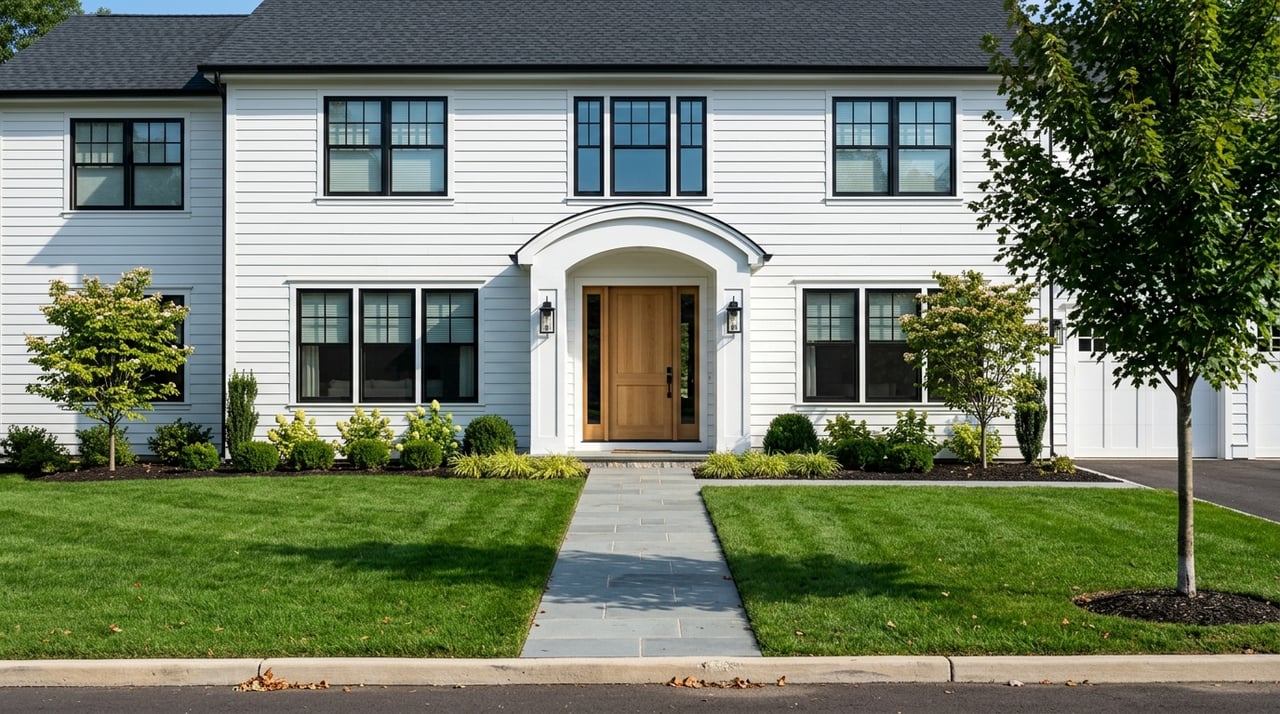
If you are looking for more room without losing touch with the New York metro area, Upper Saddle River stands out for a reason. This Bergen County borough offers a low-density setting, large residential lots, and a polished suburban feel that appeals to buyers who value privacy, outdoor space, and a strong sense of place. If you want to understand what daily life here really looks like, this guide will walk you through the housing pattern, lifestyle, commute context, and local character. Let’s dive in.
Why Upper Saddle River Feels Different
Upper Saddle River is a small borough with an estimated 2024 population of 8,696 across 5.25 square miles of land. That works out to about 1,590 residents per square mile, which helps explain why the town feels more spacious and tucked away than many nearby suburbs.
The housing profile adds to that impression. Census QuickFacts shows a 90.4% owner-occupied housing rate, a median owner-occupied home value of $1,101,800, and an average household size of 3.18. Together, those numbers point to a stable, predominantly owner-occupied market where people tend to put down roots.
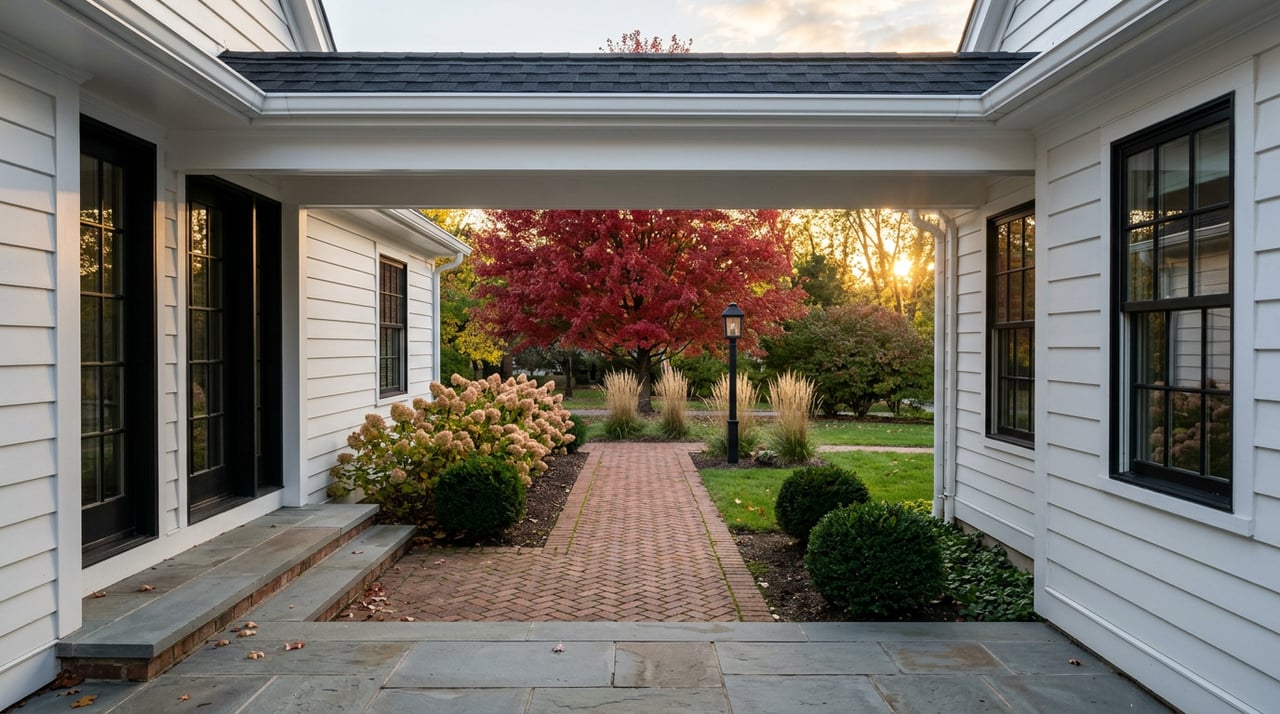
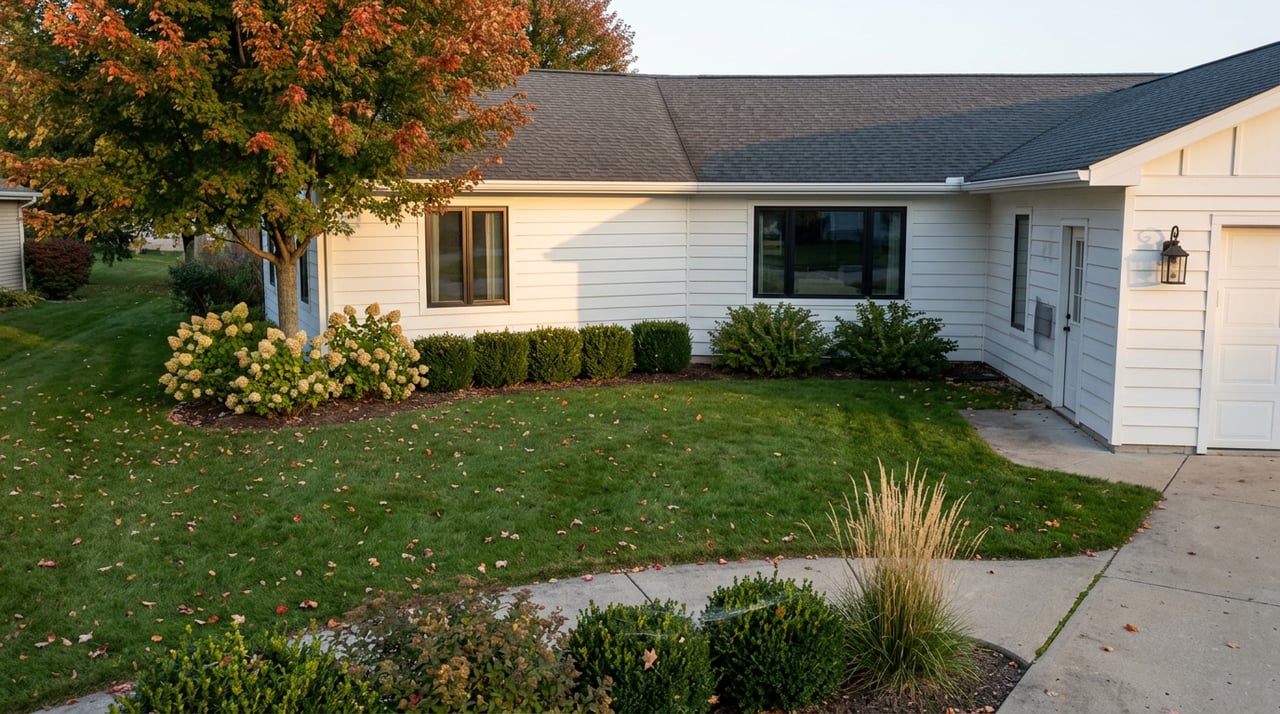
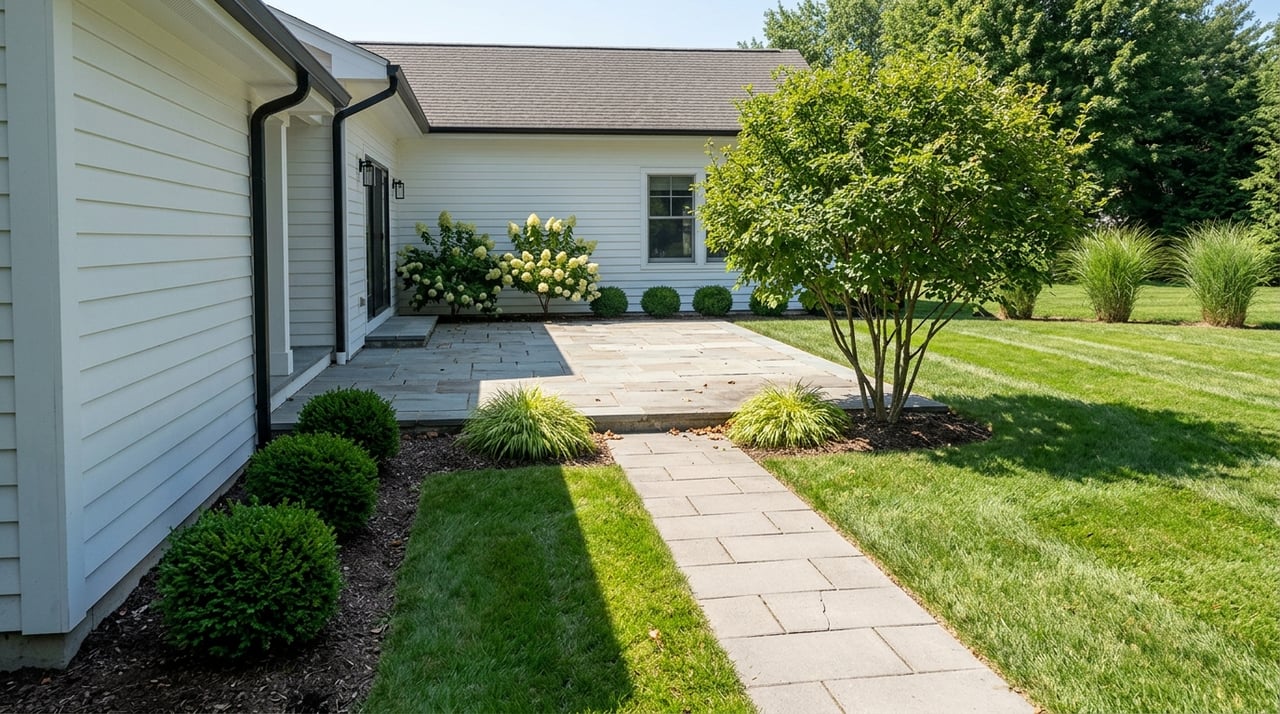
The borough itself describes Upper Saddle River as a place known for rural beauty, large treed lots, and a private feel, while still being close to major highways, mass transportation, shopping, and entertainment. In everyday terms, that means you get breathing room without feeling cut off from the wider Bergen County and New York metro region.
Space Is Part of the Design
One of the clearest reasons Upper Saddle River feels so open is that its zoning supports that lifestyle. In the borough’s principal residential districts, R-1 lots require a minimum of 37,500 square feet with 150 feet of frontage and 150 feet of depth, while R-2 lots require at least 10,000 square feet with 100 feet of frontage and 100 feet of depth.
The same regulations center these neighborhoods on single-family detached homes. That matters because the spacious character of the borough is not accidental. It is built into the residential layout itself.
Other code details reinforce the yard-oriented nature of daily life here. Detached accessory buildings are limited to rear yards, private pools must meet setback and enclosure rules, and the minimum livable floor area in R-1 and R-2 is 1,800 square feet. If you picture a home with meaningful outdoor space and room to personalize, Upper Saddle River is designed for that kind of living.
Home Style Has Range
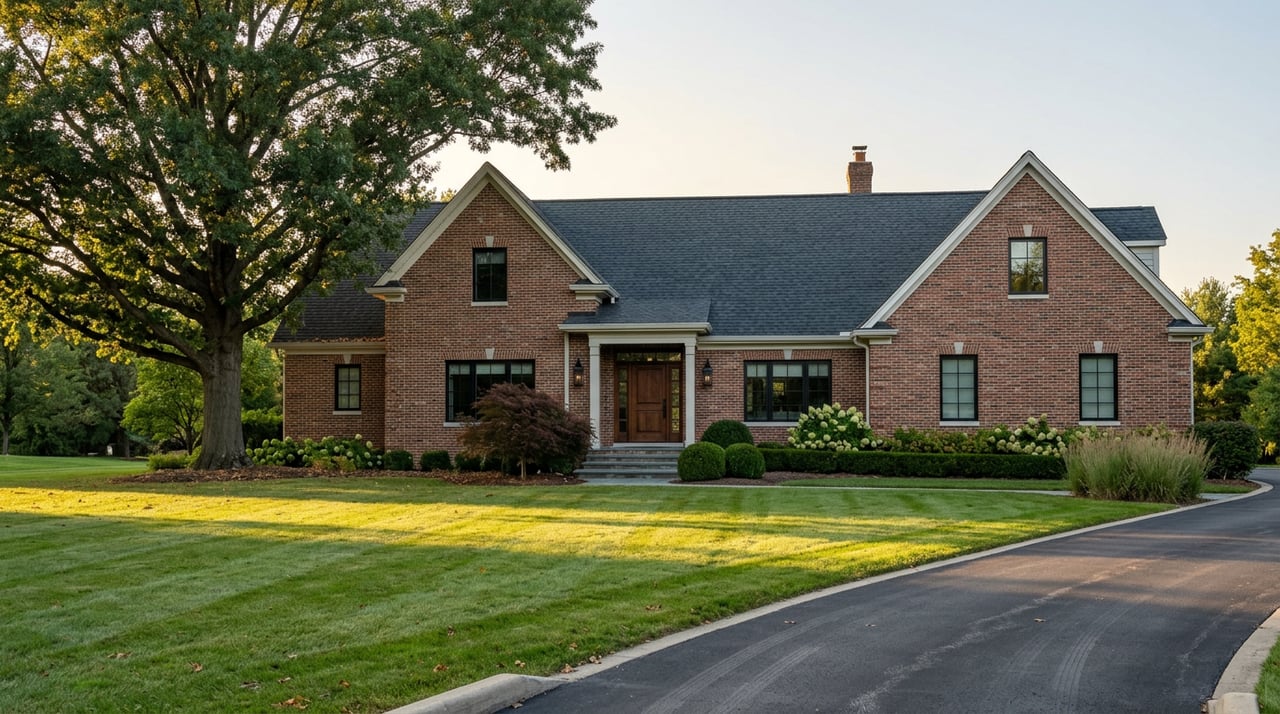
Upper Saddle River does not fit into one narrow architectural box. Instead, the borough offers a mix of historic homes, custom residences, and large single-family properties that reflect both its rural past and its suburban evolution.
The town’s history traces back from Lenape settlement and Dutch pioneer farming to a postwar suburban community. Local historical sources note early farms, mills, and surviving 18th- and early-19th-century structures, which gives the borough a deeper architectural story than you might expect from a purely suburban first impression.
That variety still shows up in the built environment. The historical society identifies examples of Dutch sandstone, Greek Revival, Gothic Revival, and Queen Anne architecture, along with the Hopper-Goetschius House Museum as the borough’s oldest surviving home. For you as a buyer, that means style here is less about one repeating template and more about a blend of preserved character and custom home design.
Daily Life Centers on Parks and Recreation
Space is not just something you see from the street in Upper Saddle River. It also carries into the borough’s public amenities and recreational life.
The recreation department maintains Lions Park, Hess Park, Liberty Pond Park, and athletic fields at Bogert, Reynolds, and Cavallini schools. It also oversees a wide range of activities and volunteer sports organizations, including baseball, basketball, soccer, softball, lacrosse, hockey, wrestling, tennis, and pickleball.
That breadth matters because it adds structure and activity to everyday living. Whether you are looking for a park visit, seasonal programming, or organized sports, the borough offers multiple ways to use its open space.
Seasonal events help reinforce the local rhythm of the community. Recreation postings include events such as a fishing derby at Liberty Park and town-wide cleanup days, which show how civic participation and outdoor activity are part of life here.
Community Services Add Everyday Convenience
Beyond parks and fields, Upper Saddle River supports daily life with a strong civic framework. The borough library at 245 Lake Street offers technology resources and programming for both children and adults, adding another practical layer to the community.
The borough also lists local police, fire services, a CERT program, and a volunteer ambulance corps that provides basic life support 24 hours a day, 7 days a week. For buyers evaluating long-term fit, those services help paint a fuller picture of what it means to live here beyond the home itself.
There is also an active network of local organizations. The community-organizations page includes the Rotary Club, Lions Club, residents’ club, junior women’s club, scouts, women’s club, garden club, and historical society. That kind of civic activity gives the borough a connected, involved feel despite its quiet residential setting.
School Structure to Know
If you are comparing Bergen County towns, it helps to understand how Upper Saddle River’s school structure is organized. The Upper Saddle River district includes Reynolds Elementary, Bogert Elementary, and Cavallini Middle School.
For high school, students attend Northern Highlands Regional High School in Allendale. This arrangement is a routine part of life in the borough and useful to know early if you are weighing location, daily schedules, or long-term planning.
Commuting From Upper Saddle River
Upper Saddle River is about 25 miles north of New York City, which helps explain its appeal for professionals who want more land and privacy while staying within the metro orbit. The commute story here is best understood as road-first rather than walk-to-transit.
State Highway Route 17 runs through Upper Saddle River and continues through nearby Ramsey and Mahwah. Bergen County also notes a broader transportation network that includes 3 passenger rail lines, 30 train stations, and 51 NJ Transit bus routes across the county.
The borough highlights access to major highways and mass transportation, but the overall feel is not that of a dense transit village core. Instead, Upper Saddle River offers distance from the city without isolation from it. Census data shows a mean travel time to work of 34.9 minutes for workers age 16 and over, which fits the profile of a suburban commuter market.
What the Numbers Say About the Market
The local data helps frame the kind of market Upper Saddle River is. With a median household income of $246,719, a median owner-occupied home value of $1,101,800, and a very high owner-occupancy rate, the borough reads as a high-value, primarily residential market rather than a fast-turnover rental environment.
Median monthly owner costs are listed at $4,000+ for mortgaged owners, while median gross rent is $3,500+. Those figures underscore the premium nature of the housing stock and the fact that Upper Saddle River tends to attract buyers looking for long-term ownership rather than short-term flexibility.
For sellers, that supports the importance of strong positioning, presentation, and pricing strategy. For buyers, it signals a market where setting, lot size, and overall property quality play a central role in value.
Who Upper Saddle River Often Fits Best
Upper Saddle River tends to make the most sense if you want space, privacy, and a more residential pace. It can be especially appealing if your home search centers on larger lots, detached homes, outdoor living potential, and a setting that feels distinctly removed from denser nearby towns.
It may also be a strong match if you need access to Bergen County commuting routes while still prioritizing a more private home environment. The borough combines a quiet physical setting with the practical advantage of being connected to the larger regional network.
In short, Upper Saddle River offers a particular kind of Bergen County lifestyle. It is spacious, established, and shaped by single-family homes, local recreation, civic involvement, and a setting that feels polished without feeling crowded.
If you are considering a move to Upper Saddle River or preparing to position a home for sale in this market, working with a local advisor can make the details clearer. For tailored guidance on buying or selling in Bergen County, connect with Michael Todaro.
FAQs
What is living in Upper Saddle River like?
- Living in Upper Saddle River is generally defined by large residential lots, single-family homes, a private suburban setting, local parks, civic organizations, and access to major highways and regional transportation.
What types of homes are common in Upper Saddle River?
- Upper Saddle River is centered on single-family detached homes, with a mix of custom residences and some historic architectural examples such as Dutch sandstone, Greek Revival, Gothic Revival, and Queen Anne styles.
How large are lots in Upper Saddle River?
- In the borough’s main residential districts, R-1 lots require at least 37,500 square feet, while R-2 lots require at least 10,000 square feet, supporting the town’s spacious feel.
How do students attend school in Upper Saddle River?
- Upper Saddle River students attend Reynolds Elementary, Bogert Elementary, and Cavallini Middle School, with Northern Highlands Regional High School located in Allendale.
Is Upper Saddle River good for commuting to the New York metro area?
- Upper Saddle River is about 25 miles north of New York City and has access to Route 17, nearby regional rail and bus options in Bergen County, and a suburban commute profile with a mean travel time of 34.9 minutes.
What parks and recreation options are in Upper Saddle River?
- The borough maintains Lions Park, Hess Park, Liberty Pond Park, and athletic fields at Bogert, Reynolds, and Cavallini schools, along with sports programs and seasonal community events.